

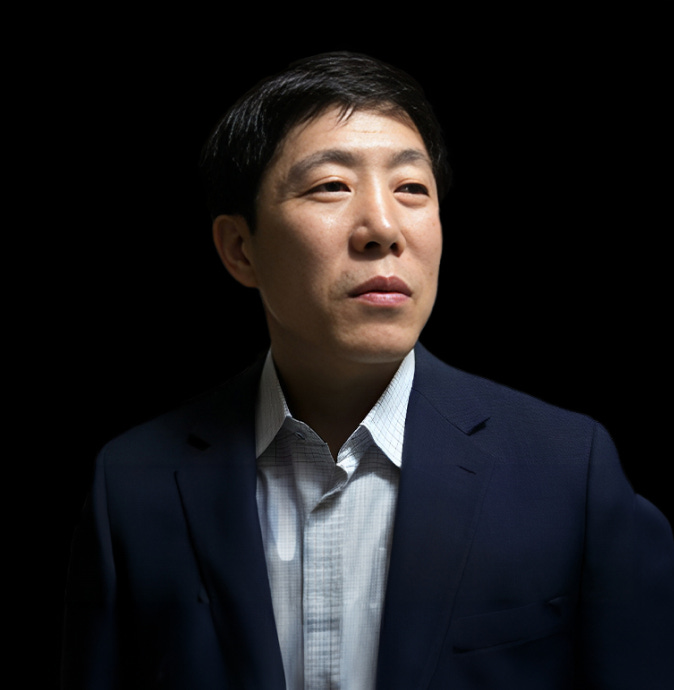
Park Sang-Hak was born in North Korea in 1968 and didn’t learn how much better the outside world was until his grandma came back from Japan and he encountered other students who had been sent to study in other communist countries.
In 1997, Park’s father arranged to have his family cross into China, get picked up by a car, then flown to South Korea to escape a feared party purge. Park led the operation and has since lost extended family members. The lucky ones had their wealth confiscated.
After studying in South Korea, Park became an activist on behalf of North Koreans who remain imprisoned in the country’s borders. Park seems like the quintessential democratic champion, escaping autocracy to embrace an open society and fight for his country’s rights to the same privileges.
However, Park was inconvenient to South Korean President Moon Jae-In.
Moon became president after Kim Jong Un rose to power and after the Kim family began making overtures to South Korea. President Moon hoped that he could begin the process of reunification, a long-sought goal of both Koreas. (As Sung-Yoon Lee describes in The Sister, one vision is shared democracy, and the other is dominion under the Kim family.)
Kim Jong Un was really leading President Moon on, so North Korea could extract tribute, making peace appear closer than it really was.
Defending Democracy When it’s Inconvenient
The Kim family’s gambit worked so well that South Korea passed a law prohibiting its citizens from launching balloons filled with aid and reading material over the North Korean border. Park was among the most prominent activists arrested and charged under the new Gag Law, prompting criticism from Europe, the United States, and the United Nations.
Park has had other run-ins with South Korean authorities, including reporting issues with his non-profit’s finances. But Moon’s willingness to suppress democratic activism in his country for the sake of appeasing a regime that proved uninterested in peace is a troubling lesson for democratic citizens abroad.
It’s easy to speak the language of liberalism and free choice in elections. Democratic leaders must be willing to defend democracy even when it’s inconvenient. President Moon showed how a country’s leader can fall to the temptation to take an easier way out of a conflict instead of defending the rights he was elected to champion.