

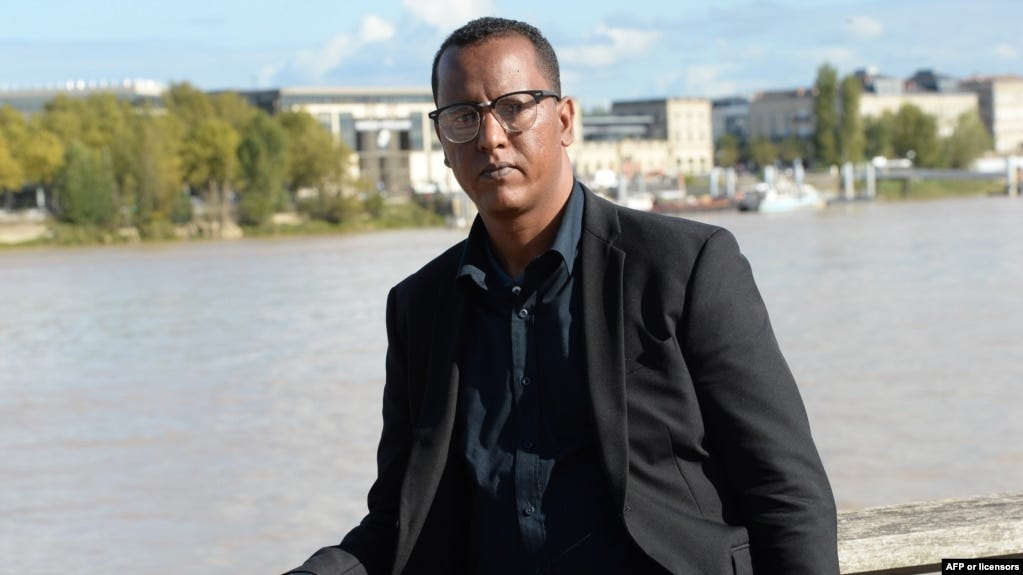
In 2013, Mohamed Mkhaïtir wrote a blog post called Religion and Religiosity for Blacksmiths. It was about the abusive conditions of Mauritania’s caste system and how the craftsman class, into which Mkhaïtir was born, was treated.
He also criticized the government’s use of the Prophet Muhammad’s life to justify hereditary slavery in Mauritania. Even though it was officially outlawed, slavery is still practiced, and the separation of the slave caste, the caste below Mkhaïtir’s, is enforced.
Mkhaïtir wrote the blog post anonymously, but ended up turning himself in to the authorities in 2014. For the crime of objecting to how the government used the Quran to justify human rights abuses, Mkhaïtir was accused of not just heresy, but leaving the faith altogether.
The government sentenced him to death for apostasy.
Exile and Divine Government
Mkhaïtir was released on presidential order in 2019 after years of pressure from human rights organizations. He currently lives in exile in France.
While this dissident’s story ended happily, his case illustrates the ego that authoritarians must have to claim to speak on behalf of a prophet.
Mkhaïtir arrived at a different, more humane conclusion about the treatment of members of Mauritania’s caste system than government officials. That the government denied Mkhaïtir’s faith on those grounds is an outrageous infringement of freedom of conscience.
Mauritania’s theological judgments are self-serving for the regime. It should be more offensive that authoritarian leaders co-opted a religion for their own purposes instead of challenging its views about their own people.
This lesson is not restricted to Islamic societies. Americans who think a religious government will serve their interests are overestimating the benevolence of those who will seek power in such a regime. Our political leaders must remain free to be questioned and criticized, not free to hide behind faith as an excuse for inhumanity.
The way our leaders interpret Scripture and apply it to policy decisions is as open to criticism as any position they take without theological reasoning. We all have to live with the consequences of their decisions, after all.