

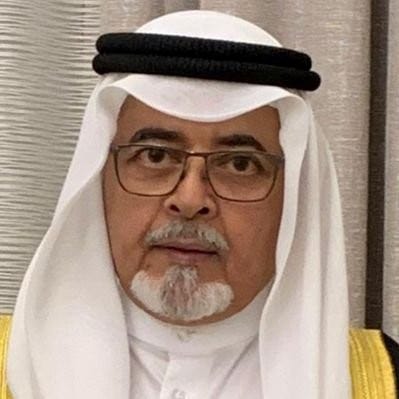
Kuwait has been rebuilding since the end of Saddam Hussein’s invasion in 1992. The small country has a government with the same three branches of government as the United States. However, it also has an Emir, the member of the royal family who runs the country. For all its modernization efforts, Kuwait still has no separation of powers.
So, critics of the government, like Jamal Al-Sayer, place themselves in danger by criticizing Kuwait's leaders. He was arrested in July 2021 for making this post on X:
“Your highness...the situation has become unbearable. You have allowed the government to disrupt and violate the constitution, defying the parliament and the people’s will.”
He was stepping into a conflict between the royal family and parliament. Kuwait is unusual in that it has a more influential parliament than surrounding theocracies. There was not enough separation between the Emir and parliament to protect him.
Al-Sayer was arrested for “spreading fake news” and “insulting the emir.” He was released three weeks after his arrest.
Royal Reality Distortion
However secure his position, the Emir cannot afford to allow criticism even in a political environment with institutional pushback.
It’s one thing to grapple with a parliament that the Emir still enjoys substantial influence over. Dissidents who demand more from their political systems aren’t so easily controlled. These dissidents can also gain support from enough people to overthrow the regime.
“Fake” is any opinion the leader finds objectionable, a transparent pretense to discredit critics in civil society. The Emir can use the power of the state to punish those who view the world differently than he does, which even Kuwait’s parliament can’t counter.
It’s a haunting lesson for even developed countries with overpowered presidents and a feeble Congress.